
 Book Now

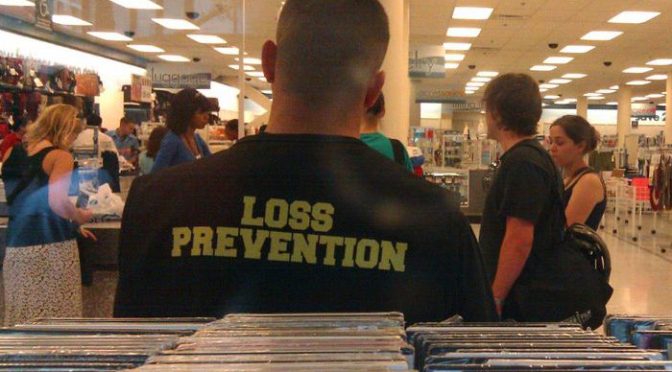
Retail shrinkage can cut into profits, disrupt daily operations and put staff and customers at risk. Shoplifting is one part of the problem, but losses can also come from employee theft, process errors, refund fraud and organized retail crime.
The issue deserves attention. Statistics Canada reported 208,941 police-reported shoplifting incidents in 2025. An 11% increase from 2024 and a 79% increase from 2015. Separately, a Retail Council of Canada and Loss Prevention Research Council report estimated average retail shrink at 1.5%, or about $9.2 billion across Canadian retail sales. Shrink includes more than theft, but the scale shows why a consistent loss prevention plan matters.
For retailers in Mississauga and across the Greater Toronto Area, trained security guards can support that plan through visible deterrence, active observation and safe incident response. Here are seven ways retail loss prevention security helps reduce shrinkage.
1. Provide a Visible Deterrent
A uniformed guard sends a clear message: the store is actively monitored. That visible presence can discourage opportunistic shoplifting and help customers and employees feel more secure.
A guard can greet customers, remain alert near entrances and exits, and move through the store as needed. Professional customer service matters too. A calm, approachable presence supports a welcoming shopping environment while helping make theft less likely to go unnoticed.
Retail Council of Canada research found that 87% of surveyed retailers had added guards as part of their response to retail crime. A guard is not a guarantee against theft, but a planned, visible presence can strengthen your broader loss prevention measures.
2. Patrol High-Risk Areas
Some areas of a store may need closer attention because of valuable merchandise, limited visibility or busy customer traffic. Guards can patrol according to your store layout and incident history, with attention to areas such as:
- Entrances and exits
- Self-checkout zones
- High-value displays
- Fitting rooms and low-visibility aisles
- Stockrooms and employee-only areas
- Receiving doors and loading areas
Regular, varied patrols help maintain coverage across the store instead of leaving a single area watched while others are unattended. Guards can also report lighting issues, obstructed sightlines or doors that are left unsecured so you can address them promptly.

3. Support CCTV and Live Monitoring
Security cameras are most useful when someone can respond to what they show. Guards can monitor available camera feeds, check alarms and report suspicious activity to the right staff member. When an incident occurs, clear observation can help verify what happened and where attention is needed.
Combining on-site security guards with video monitoring helps cover more ground. Guards can focus on activity on the sales floor while cameras support visibility in key areas, entrances and back-of-house spaces. This integrated approach can help reduce blind spots and improve incident reporting.
Camera placement and use should follow your store’s policies and applicable privacy requirements. A security provider can help coordinate coverage around your operational needs.
4. Respond Quickly and Safely
A suspected theft can escalate, so staff should know who to contact and what to do. Trained security guards can follow your response procedures, notify management, request police or emergency services when appropriate, and help protect customers and employees.
Safety must come before merchandise. Guards should use de-escalation, follow site instructions and operate within their training and legal authority. They can also document what they observed and preserve relevant details for management and, where appropriate, law enforcement.
The need for clear procedures is real: in the Retail Council of Canada report, 76.2% of participating retailers said they had seen an increase in violence during shoplifting incidents. A prepared response helps your team act consistently under pressure.

5. Protect Stockrooms, Deliveries and High-Value Goods
Shrinkage can occur before products reach the sales floor. Guards can monitor access to stockrooms, receiving areas, employee entrances and loading bays. They can check that access procedures are followed and report unusual activity or unsecured doors.
For higher-risk merchandise, your team can combine guard presence with locked displays, inventory checks, camera coverage and clear procedures for moving products. These steps help make it harder for unauthorized people to access stock and easier to identify where a loss may have occurred.
For stores in shopping centres or plazas, mobile patrol can add another layer of coverage around shared parking areas, service corridors and exterior access points: particularly during opening, closing or quieter hours.
6. Help Identify Repeat and Organized Theft Patterns
Organized retail crime can involve coordinated thefts and the resale of stolen goods. A guard who records clear, factual incident details can help your management team recognize patterns across shifts and locations.
Useful details may include the time and location of an incident, items involved, a description of what was observed, and any relevant vehicle or camera information. Reporting should follow company policy and privacy requirements; guards should avoid assumptions and focus on observable facts.
The Retail Council of Canada survey identified organized retail crime as a leading theft concern among respondents. It also listed Toronto and Mississauga among the cities retailers identified as targeted by organized retail crime. Consistent reports can help your team assess recurring risks and share relevant information through appropriate channels.
7. Deter Internal Loss and Improve Procedures
Shrinkage is not limited to shoplifting. It can include employee theft, fraudulent returns, unauthorized discounts, cash-handling issues, delivery discrepancies and process errors. Guards are not a replacement for good inventory controls, but their presence and reporting can support your existing procedures.
Depending on your site plan, guards can monitor restricted entrances, observe after-hours access, report unusual activity and document exceptions for managers to review. Regular reporting can also help reveal operational gaps, such as a door that is frequently left open or a delivery process that needs clearer checks.
Build a Retail Loss Prevention Plan That Fits Your Store
The best setup depends on your store size, hours, layout, merchandise and incident history. Start by reviewing where losses occur, when incidents are most common and which areas need more visibility. Then decide whether you need a uniformed guard, camera monitoring, mobile patrol or a combination.
Track results over time using measures such as:
- Shrinkage by department and reporting period
- Incident frequency and location
- Response times and completed reports
- Repeat issues, access concerns and safety incidents
- Inventory discrepancies and process exceptions
These measures help you see what is changing and adjust coverage where it is needed. Police-reported shoplifting figures are important context, but Statistics Canada notes that they include incidents reported to police and can be influenced by reporting and other practices. Your own records provide a more practical view of what is happening at your store.
Retail Loss Prevention Security in Mississauga and the GTA
Canadian Security Services provides retail loss prevention security for stores and shopping centres across Mississauga and the Greater Toronto Area. Our service options include trained security guards, CCTV support, incident reporting and flexible coverage tailored to your site.
Learn more about retail loss prevention security or contact Canadian Security Services to discuss your store’s needs. Taking action now can help strengthen deterrence, improve visibility and give your team a clear response plan.
Frequently Asked Questions
Can security guards prevent all shoplifting?
No security measure can prevent every incident. Guards can provide visible deterrence, monitor activity, follow response procedures and document incidents to support a broader loss prevention plan.
Do guards work with CCTV monitoring?
Yes. On-site guards can work alongside video monitoring and report suspicious activity or coverage concerns. The exact arrangement depends on your location and service plan.
What types of retail locations can receive coverage?
Retail loss prevention security can support individual stores, shopping centres, plazas, pharmacies, grocery stores and other retail locations. Coverage is planned around your site, schedule and operational requirements.
How do I get started?
Review your recent incidents and main concerns, then contact Canadian Security Services to discuss a tailored retail security plan.

