
 Book Now

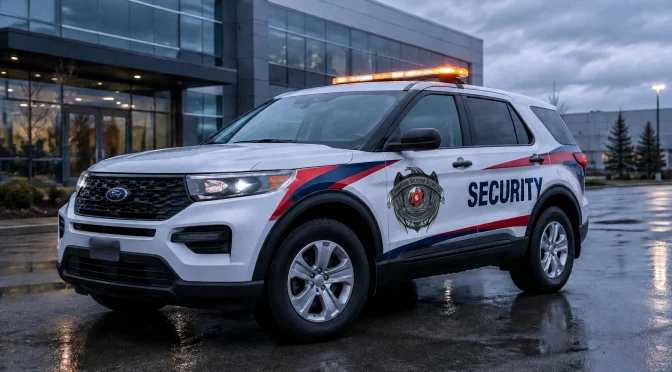
If you are comparing a fixed guard post with mobile patrol services, the key question is not simply how many times a patrol vehicle will pass your property. It is what the officer checks, how the visit is documented, and what happens when something is wrong.
A patrol should be a planned, documented series of checks, not a car circling the lot. At Canadian Security Services, we build routes around your site layout, risk areas, operating hours, and reporting needs. Our licensed security team serves Mississauga and the Greater Toronto Area with flexible coverage for commercial properties, residential communities, warehouses, yards, and construction sites.
Scheduled Patrols Or Randomized Patrols?
A scheduled patrol takes place at agreed, fixed times. This can suit a site that needs a predictable check-in, for example, to align with shift changes or a closing routine. The drawback is that a repeated, easy-to-predict schedule can become familiar to anyone watching the property.
A randomized patrol varies the arrival times within the agreed coverage period. The officer still follows the required route and checks the priority points, but visits are less predictable. That uncertainty can strengthen deterrence and make it harder for someone to plan around the patrol.
For many properties, the right plan combines both: scheduled checks for operational needs and randomized visits to improve unpredictability. Your mobile patrol plan can be tailored to your property, rather than relying on one standard route for every site.
What Does An Officer Check On Site?
The route should reflect the property’s actual weak points. During a visit, an officer may drive through the site, get out to inspect designated areas on foot, and record observations. Depending on your instructions and the site layout, checks can include:
- Perimeter fences and gates: Visible damage, open gates, cut fencing, or signs someone has tried to get in.
- Doors and loading bays: Doors left unsecured, damaged locks, unusual activity, or signs of forced entry.
- Lighting and visibility: Outages or dark areas that could make it easier to approach a building unnoticed.
- Yard and trailer areas: Unusual vehicle or trailer activity, disturbed equipment, and access concerns. For logistics properties, patrol checks can complement dedicated yard security.
- Rooftop and stairwell access: Visible signs of unauthorized access or doors that should be secured, where the officer is authorized and it is safe to check.
- Parking areas and fire routes: Suspicious activity, vehicles in restricted areas, blocked fire routes, or property damage. Where needed, this can work alongside parking enforcement.
- Dumpsters and back alleys: Concealed corners, loitering, dumping, or activity near less visible entrances.
- Construction material staging: Tools, materials, and equipment left exposed or appearing disturbed. Patrols can support a broader construction security plan.

A warehouse route may focus on dock doors, freight access, exterior storage, and vehicle areas. A condominium route may prioritize garage entrances, pedestrian doors, visitor parking, and shared exterior spaces. Our warehouse security services can also include fixed guarding where active access control is required.
The route and checklist should be agreed in advance. This helps ensure that officers know what to inspect, what they may enter, and which concerns need immediate escalation.
What Do You Receive After A Patrol?
A check is more useful when you can verify it happened and review what the officer observed. Reporting can include timestamped patrol logs that record the visit and completed checkpoints, along with notes on site conditions.
If an issue is found, the officer prepares an incident report based on the situation and your reporting requirements. This may include the location, time, observations, actions taken, and follow-up recommended. Photos may be included where appropriate and safe.
You should be able to understand:
- When the patrol took place
- Which areas or checkpoints were inspected
- Whether any issue was found
- What action was taken or who was notified
- Whether further attention is recommended
The agreed reporting format matters. Before service begins, confirm who receives reports, how urgent incidents are communicated, and what details are included. Canadian Security Services uses digital reporting and site-specific orientations so your patrol team understands the route and escalation process.
What Happens If An Officer Finds A Problem?
The response depends on the finding and the instructions in your site plan. If an officer sees a forced door, they do not simply mark it as a completed check and move on. They follow the agreed procedure: assess from a safe position, report the concern, notify the designated contact, and request emergency assistance when warranted.
If an unauthorized person is on site, the officer follows site instructions and applicable procedures. This may include observing and reporting, giving a lawful direction, contacting the client representative, or requesting police support if the circumstances require it. The officer’s safety and the safety of others come first.
Mobile patrol is a detection-and-deterrence service. An officer visits, checks, documents, and responds within the scope of the assignment. Unlike a fixed guard, the officer is not continuously stationed at your property. There will be time between visits, and response time depends on location and circumstances. For immediate, continuous access control or a constant on-site presence, a fixed guard is usually the better fit.

Patrol, Fixed Guard, Or A Hybrid Plan?
Mobile patrol services can be a practical fit when you need visible after-hours checks across a large property or several locations, but do not need a guard stationed at every entrance. A fixed post is often more suitable for busy sites, high-risk locations, properties with continuous visitor traffic, or operations that need ongoing screening and immediate on-site support.
For large or multi-site portfolios, consider combining patrol with video monitoring. Cameras can provide ongoing visibility at selected areas, while mobile patrol officers can conduct physical checks and respond to issues according to the agreed plan. Explore video monitoring as part of a hybrid approach that combines personnel, surveillance, and digital reporting.
Toronto Police data recorded about 6,092 break-and-enters in Toronto in 2025-roughly 17 a day, with commercial properties among the affected locations. City-wide numbers do not predict the risk at your specific site, but they are a reason to review how your property is checked outside operating hours. You can explore current information through the Toronto Police Service public safety data portal.
What To Confirm Before You Choose Patrol
Ask a provider to explain the route, not just the number of visits. Confirm the following before service starts:
- Which areas are checked on every visit
- Which checks are completed on foot
- Whether visits are fixed-time, randomized, or a mix
- What gets logged and how quickly urgent issues are reported
- Who the officer contacts when an issue is found
- Whether the plan can change as your site or risks change
Canadian Security Services provides fully licensed, qualified, and insured guards with site-specific orientation, conflict-management, and incident-reporting training. Coverage is available 24/7/365 with a mobile patrol supervisor, and service can be arranged through flexible short- or long-term contracts.
Patrol is also billed differently from a full-time fixed post. The right comparison depends on your required coverage, visit frequency, property layout, and reporting needs. Eligible clients switching providers may save up to 20% on current security costs; savings depend on the services and current contract.
Frequently Asked Questions
How Often Will Someone Patrol My Property?
We can set patrol frequency around your property’s needs, risk areas, and budget. The route and expected visit pattern are agreed before service begins.
Can I Choose The Patrol Times?
Yes. You can request specific check times, randomized visits, or a combination of both, depending on your operational needs.
Do I Need Mobile Patrol If I Already Have Cameras?
Yes, patrol can complement cameras by adding physical checks and a visible presence. A hybrid plan can combine patrol with video monitoring.
What Happens If The Officer Finds Something Wrong?
The officer follows your site’s escalation instructions, documents the finding, and contacts the designated person. Emergency services may be requested when the situation warrants it.
How Is Mobile Patrol Priced Compared To A Fixed Guard?
Mobile patrol is priced differently from a continuously staffed post, based on factors such as visit frequency, site size, and service requirements. Ask for a plan that compares coverage against your actual needs.
See What A Patrol Route Can Cover
Get a route built around your property, not a generic drive-by schedule. Contact Canadian Security Services to discuss mobile patrol services in Mississauga and across the GTA. Call 1 866 925 9889 or 647 409 3789, or request a security consultation. Learn more about our mobile patrol services and set up coverage that fits your site.

