
 Book Now

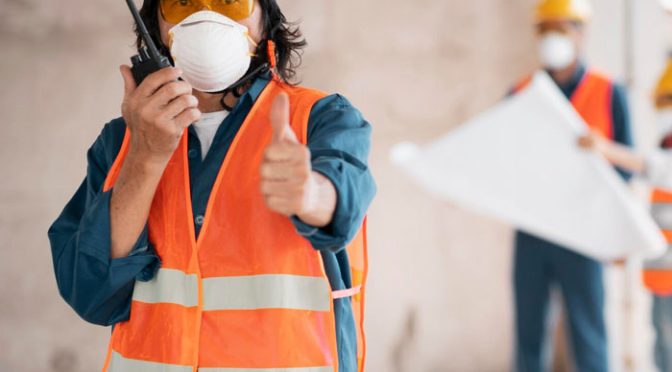
Construction site theft can cost you materials, equipment, work hours and project momentum. Copper wire, lumber, tools, machinery and diesel fuel can all be targets. Even when stolen items are insured, replacing them and repairing damage can delay work.
The right construction site security plan helps reduce these risks. Use the seven steps below to strengthen your site, especially during evenings, weekends and other periods when crews are away.
First, Put the Theft Statistics in Context
Some figures often repeated in discussions about jobsite crime need an important qualification. A 2026 report from TrueLook and Noonlight recorded a 50% year-over-year increase in monitored break-ins, with more than 40% occurring on weekends and the highest-risk hours reported as 11 p.m. to 3 a.m. However, the data came from thousands of U.S. jobsites. It is not a Canada-wide construction theft rate. Read the report.
Canadian data still points to a serious risk. A report on heavy-equipment and cargo theft in Canada found that less than 24% of stolen heavy equipment was recovered on average during the period it covered. Truck News reports the figure alongside the value of reported thefts.
Treat the U.S. figures as a warning about potential risk patterns, not a precise measure of local crime. Your own site’s location, layout, work schedule and inventory should guide your security plan.
1. Review the Site for Security Gaps
Walk the entire site at the start of a project and review it again as conditions change. Look at it from the perspective of someone trying to enter unnoticed or remove materials quickly.
Check for:
- Open or poorly secured gates
- Gaps in perimeter fencing
- Dark corners and hidden storage areas
- Materials staged close to the road or site entrance
- Equipment parked with keys left inside or nearby
- Areas that cannot be seen from the site office or cameras
Record each issue, assign someone to address it and set a review date. A security plan that worked before the site expanded or deliveries changed may no longer be enough.
2. Control Who Enters and Leaves
A fence helps define your site, but it cannot confirm who belongs there. Keep access points limited and secure gates at the end of each shift. Require employees, subcontractors, delivery drivers and visitors to follow a clear sign-in and sign-out process.
Keep an up-to-date list of approved workers and make after-hours access subject to supervisor approval. Use a written record to note who entered, when they arrived and why they were on site. This supports accountability and helps you investigate missing materials.
For a busy or high-risk project, trained guards can monitor entry points, verify visitors and respond to suspicious activity. Learn more about construction security services.
3. Secure Equipment, Materials and Fuel
Make theft harder by reducing easy access to high-value items. Store tools and smaller equipment in locked containers. Use reinforced locks where possible, and keep storage containers away from gates or areas where a vehicle can pull up unnoticed.
For equipment and fuel:
- Remove keys when machinery is not in use and store them securely.
- Keep a current inventory with serial numbers, photos and identifying marks.
- Park mobile equipment in a visible, well-lit area.
- Lock fuel caps and secure fuel storage.
- Consider GPS tracking for valuable mobile equipment.
- Avoid leaving copper, lumber and other valuable materials near the perimeter.
Take photos and update records when equipment or stock arrives on site. If something goes missing, accurate details can help with reporting, insurance and recovery efforts.
4. Improve Lighting and Camera Coverage
Lighting makes it harder for someone to move around unseen and helps workers or guards spot activity. Prioritize gates, storage containers, equipment parking, fuel areas and material laydown zones. Motion-activated lighting can help cover areas that do not need to stay fully lit.
Cameras can help you review activity and identify security gaps, but placement matters. Cover entry and exit points, high-value materials and areas with limited visibility. Make sure equipment is positioned to capture useful views, not just the general site.

Recorded footage can help document an incident after it happens. 24/7 video monitoring adds an active layer: live monitoring can help identify suspicious activity while it is happening and support a timely response. Canadian Security Services provides video monitoring and surveillance as part of a layered security approach.
5. Add Patrols During Vulnerable Hours
Large sites can have several entry points and blind spots. A guard or patrol can check gates, fencing, equipment areas and storage zones, then report anything unusual. Varying patrol times can also make it harder for someone to predict when an area will be unattended.
Mobile patrol is useful when you need coverage across a large site or multiple locations. It can supplement on-site guards, particularly outside normal work hours or during weekends. Set clear patrol priorities based on your site’s layout and highest-value assets.

Ask about mobile patrol services for checks that fit your project schedule and security requirements.
6. Set a Consistent End-of-Shift Routine
Many security gaps start with small tasks being missed during a busy close-out. Give one person responsibility for completing and recording a daily site check.
The routine should include:
- Checking and securing gates, doors and storage containers
- Confirming tools and equipment are locked away
- Removing keys and securing fuel
- Checking lights, cameras and alarms
- Recording authorized after-hours work
- Reporting damage, missing items or suspicious activity
A short, documented checklist helps supervisors spot recurring problems and confirm that security steps are being followed. Review it whenever site conditions or work hours change.
7. Make a Response Plan Before an Incident
Workers and supervisors should know what to do if they find a break-in, trespasser or damaged equipment. Establish who should be contacted, how to report the incident and how to preserve relevant records or footage.
Tell staff not to approach or confront a suspected intruder. Their safety comes first. Follow your site’s emergency procedures and contact police when appropriate. After an incident, document the time, location, missing or damaged items, and any available footage. Then review what happened and adjust your security plan.
Combine People, Procedures and Technology
No single measure is a complete solution. Fencing, locks, lighting, inventory controls and sign-in procedures all help. They work best when supported by active security that can observe, report and respond.
For construction projects in Mississauga and across the Greater Toronto Area, Canadian Security Services can help you explore a mix of construction security, mobile patrol and 24/7 video monitoring. The right arrangement depends on your site, schedule and risk areas.

Review your site’s security before the next shift ends. Contact Canadian Security Services to discuss coverage for your project.
Frequently Asked Questions
What should construction site security include?
It should match your site’s risks and may include controlled access, secured storage, lighting, camera coverage, patrols and trained guards. A documented close-out routine helps keep these measures consistent.
Are cameras enough to prevent construction site theft?
Cameras can help deter theft and record activity, but they may not provide a response on their own. Live video monitoring, patrols or on-site guards can add an active layer of protection.
When should I consider mobile patrol for a construction site?
Mobile patrol may suit sites that are large, have multiple areas to check or need periodic security visits outside normal work hours. Patrol priorities should reflect your site layout and assets.
How can I reduce equipment theft?
Remove and secure keys, lock equipment when it is not in use, keep an inventory with identifying details, and consider GPS tracking for valuable mobile equipment. Restrict access to storage and parking areas as well.

