
 Book Now

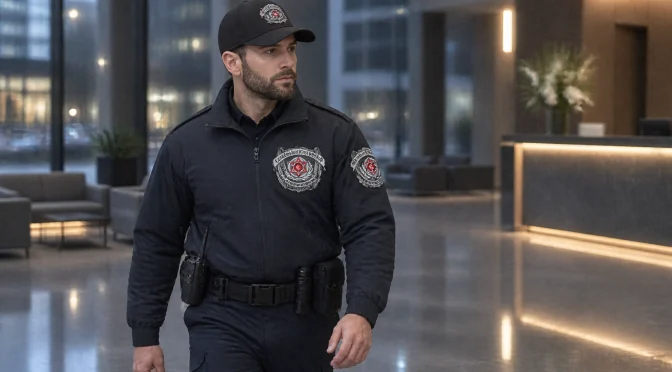
The daytime lobby is usually the part of an office building people notice. Staff arrive, visitors check in, and the front desk is active. The security gap often begins later: between the last person leaving and the first person arriving.
For property and facility managers, office security after hours should be a planned routine, not an assumption that locked doors and cameras are enough. Toronto Police Service makes break-and-enter information available through its public break-and-enter data, which can help you review local patterns. Your building still needs a site-specific plan for its doors, tenants, deliveries and overnight response.
Why Hybrid Work Broke The Old Assumptions
A guard who once recognized most tenants by sight cannot rely on that knowledge when people work in the office only some days. A familiar face may be a tenant, or someone they have never seen before. Occupancy varies by floor and day, so quiet areas can be mistaken for unused space and unexpected access can be harder to assess.
Hybrid schedules also change how people enter. Someone may hold a door for a person behind them without checking a credential. Tenants may share access cards or credentials, while visitors are booked directly by tenants rather than through building management. These practices make it harder to confirm who entered, where they went and whether they were expected.
Set clear rules for after-hours entry, visitors and contractors. Use access permissions that match each person’s role and building area, and make sure tenants know not to let others follow them through controlled doors. A well-designed access control security plan can help establish a record of who badged in and when. It should work alongside trained people who can assess exceptions, not replace them.
10 P.M. To Midnight: Lock Down And Confirm It
Closing time is a process, not simply the moment the lobby looks empty. The guard or designated building staff should complete a documented sweep and confirm that important controls are working. Verify each condition rather than assume it is secure.
- Perimeter and stairwell doors: Check that exterior doors latch and that stairwell doors are secured as intended. Report a door that will not close or lock; do not leave it as an informal handoff.
- Loading bay and dock: Confirm doors are closed after the last scheduled delivery. Record any delivery or contractor still on site and the approved work area.
- Garage pedestrian doors: Check that pedestrian access from the parking garage is controlled and that doors have not been propped open.
- Roof and restricted access: Confirm roof access and other restricted areas are secured according to the building’s procedures.
- Alarm panel: Confirm the system is armed for the correct areas and that zones show a healthy status. Escalate faults or bypasses through the established contact process.
- Cleaning crew and remaining occupants: Confirm sign-in, authorized work areas and access limits. Ensure visitors and contractors have a clear approval and sign-out process.
A guard checking a glass entrance should test the actual door and latch, not just walk past it. Keep a record of any issue, who was contacted and what action followed.

Midnight To 4 A.M.: The Quiet Hours Are The Risk Window
This is often when the building has fewer occupants and less natural observation. A patrol should focus on real access points and vulnerable spaces, not just a walk past the lobby desk. Depending on the site, that may mean checking the loading area, garage entrances, service corridors, exterior doors and accessible ground-floor windows.
Camera coverage should show useful views of entrances and exits, not only the elevator lobby. Cameras can help identify activity and support a response, but recording footage by itself does not intervene. Live monitoring should have a clear process for verifying an alert, contacting the designated responder and escalating when required.
For example, a door alert at 2 a.m. should prompt someone to check the relevant camera view and access records, assess whether the entry was authorized, and follow the site’s escalation steps. If a guard needs to investigate in person, they should follow the post orders and personal-safety procedures, not enter an uncertain situation without support. Video monitoring with a response process helps turn a camera alert into an actionable event.
4 A.M. To 6 A.M.: The Handover Window
Early deliveries, contractors arriving before office staff, cleaners finishing and garbage or recycling pickups all create activity before the regular workday. The dock and service corridor need controls just like the front door.
Confirm expected arrival times and locations in advance. Check identification and authorization as required by the building’s procedure, record entry and departure, and keep access limited to approved areas. If a delivery arrives outside its scheduled window, use the named contact or escalation process rather than allowing access based on familiarity or convenience.
A well-managed handover also accounts for unfinished work: a contractor still on site, a cleaner who needs extra time, or a door that was reported faulty earlier in the shift. Pass these details to the next guard or concierge clearly.
6 A.M. To 9 A.M.: Opening Should Be A Procedure
The morning opening should follow an agreed sequence. Doors should be unlocked at the authorized times, with the lobby covered as staff, visitors and deliveries arrive. Avoid unlocking every entrance simply because the first tenant is expected.
The front desk or concierge can confirm visitor bookings, issue badges under building rules and notify the tenant when a guest arrives. Deliveries should be directed to the approved receiving point. If someone arrives before their access is active or cannot be verified, staff should have a simple way to contact the tenant or building representative.
A professional concierge security service can combine front-desk support with visitor management and a visible security presence. The guard, concierge and property manager should share the same instructions so that an opening shift does not undo the overnight controls.
What The Guard Should Be Doing, Not Just Where They Should Be
A security post needs clear written duties. “Watch the lobby” does not tell a guard which doors to check, how often to patrol, what to do with an unverified visitor or who to call when the property manager is unavailable.
Strong post orders describe expected patrol checkpoints and what a guard must observe or verify at each one. Digital reports and time-stamped entries give property managers a record to review, including missed checkpoints, door faults, unusual access activity and follow-up actions. For larger sites or multiple properties, mobile patrol services can add scheduled or randomized checks, with a mobile patrol supervisor supporting coverage.
A useful post order should contain:
- Site-specific duties, patrol checkpoints and shift responsibilities
- Access, visitor, contractor and delivery procedures
- Alarm, door fault and emergency response instructions
- Escalation contacts and backup contacts for each shift
- Reporting requirements, including how to document incidents and completed rounds
Canadian Security Services provides licensed, qualified and insured guards with site-specific orientation and training in conflict management and incident reporting. Coverage can combine trained personnel, surveillance and digital reporting, with 24/7/365 service and a mobile patrol supervisor.

The Technology Layer That Makes Empty Hours Visible
Technology is most useful when it helps people make and document decisions. Access control records can show who badged in and when. Video can help verify activity at entry and exit points. Alarm notifications can alert a live monitoring team, while digital reporting helps property managers review recurring issues rather than guess what happened overnight.
No single tool covers everything. A camera cannot confirm that a person has permission to enter a tenant’s suite. A badge record does not show whether a door was held open for someone else. Combine records, camera views, guard patrols and a response procedure that everyone understands.
Office Security For Mississauga And The GTA
Office towers and suburban business parks have different layouts, traffic and staffing needs. A multi-tenant tower may need structured visitor control and dock coverage; an office park may need perimeter checks and mobile patrol between buildings. Your office security plan should reflect actual occupancy, access points, tenant arrangements and overnight activity.
Canadian Security Services supports commercial properties across Mississauga and the Greater Toronto Area with guards, mobile patrol, surveillance and access control. Flexible short-term and long-term contracts can be tailored as your coverage needs change. Eligible clients may be able to switch and save up to 20% on current security costs.
To review after-hours coverage for your property, explore our commercial security services or contact Canadian Security Services. Call 1 866 925 9889 or 647 409 3789 to discuss your building’s needs.

Frequently Asked Questions
Do We Need A Guard Overnight In A Small Office Building?
Yes, overnight coverage can help verify doors, respond to unusual activity and document issues. The right schedule depends on your layout, access points and operating needs.
Is A Concierge Enough For Overnight Office Security?
A concierge can support front-desk duties and access management. For overnight patrols, alarm response or active monitoring, define whether additional security coverage is needed.
What About Tenants Who Let People Tailgate?
Set a clear no-tailgating rule and communicate it to tenants. Guards can monitor entry points, challenge unauthorized access according to site procedures and report repeated issues.
How Much Of This Can Cameras Cover?
Cameras can monitor selected views and support alert verification, but they cannot secure a door, check credentials or respond physically. Pair them with access control, live monitoring and trained personnel.
Can Coverage Change By Season Or Occupancy?
Yes. Coverage can be adjusted to reflect seasonal activity, construction, tenant schedules and changing occupancy. Review the plan when building operations change.

